This is how we’ll dance when
When they try to take us down
This is how we’ll sing, oh
This is how we’ll stand when
When they burn our houses down
This is what we’ll be, oh, glory
My time in the middle of the Pop Punk and Emo tornado was really only three full years, 2004, 2005, 2006. That may seem brief, but when a music genre is your entire life three years sticks to you. Three years of submerging yourself in everything, all of the bands and all of their influences, every leaked demo, video release and gossip post. It really moves who you are as a person. Three Cheers for Sweet Revenge, From Under The Cork Tree, A Fever You Can’t Sweat Out…The Black Parade was the crest of Emo to me. It was the ultimate realisation of power and ambition. And once that wave dissipated, once I’d seen that peak of My Chemical Romance alive in all of their glory, my curious teenage mind moved onwards. I sunk deep into the Ramones, the Misfits, Motorhead. The influences of the influences, crate digging and building my own bespoke Frankenstein musical identity. Friends would arrive at school to declare that they knew MCR were trash now- that they’d stolen their entire shtick from this actually cool and good musician from the 1970s: David Bowie. I think Gerard would honestly be proud.
2007-2008 were the years when alternative music began to slowly turn. This wasn’t the end, but the cracks were starting to show. The Black Parade was dead and My Chemical Romance wouldn’t be seen again for 3 years, Fall Out Boy’s Infinity on High was their last hit before a winding road to obscurity and hiatus, and Panic at the Disco! were struggling to redefine themselves after their sudden hyper-hit debut. New blood was needed. Everything had been so dark and drab since 2003, so much eyeliner and angst. A real grim, George Bush time. But with the easing of some of those post-9/11 tensions, and the dawn of the Obama era, things could start to lighten up. So grew the buds of bands that would become Neon-Pop Punk. A sunnier, more jovial take on this mainstream blend of Pop Punk and Emo. Still wordy and “Emo” but full of brightly coloured hair,tongue-in-cheek humour and bouncy electronic accents. All Time Low, Cobra Starship, Boys like Girls. Buttressed by their online-only little brother, acoustic MySpace-core, with its ukuleles, cutsey dinosaurs and lots of RawrXD.
This more positive wave never reached the commercial and popular heights e of its glummer forebears, even its biggest bands were firmly genre-only concerns, but I do need to respectfully tip my hat to it as the movement that gave a whole new generation of kids: “Scene” kids now, their teenage years.
But I also need to kneel before one specific band. A band who, despite being relatively late to the golden years, are probably the most influential of any Emo band to come out of the entire 00s. Precisely because their influence burst out of the genre entirely, really in some ways out of music entirely, and into full blown culture with a capital C. Paramore.
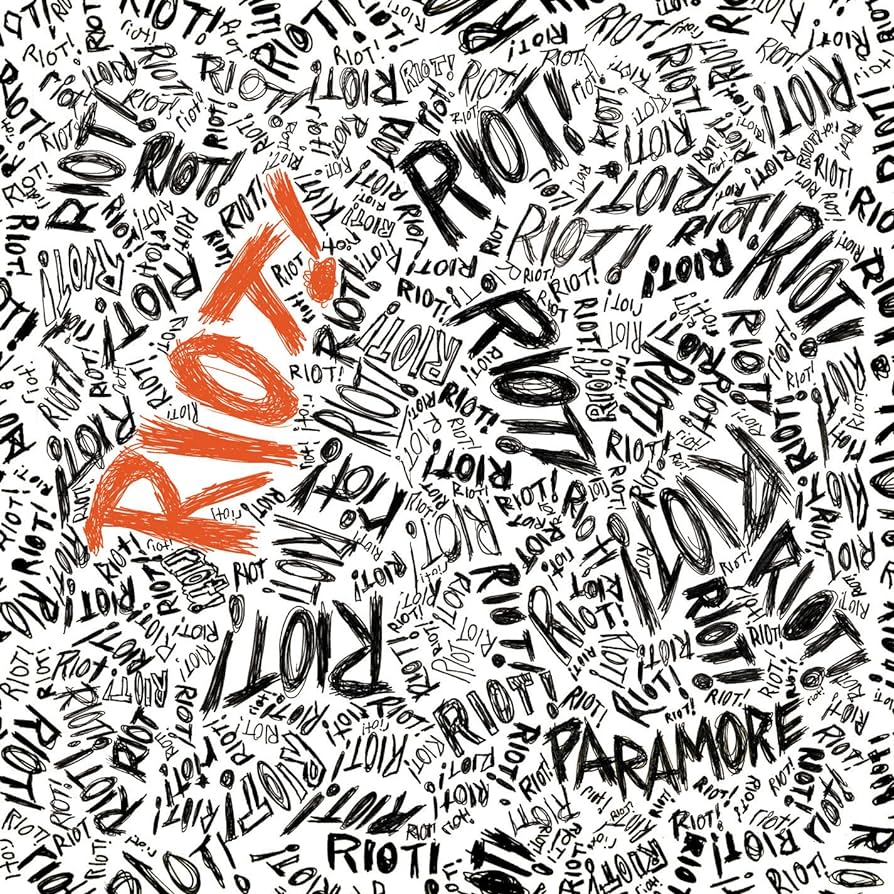
Arriving in 2005 and breaking through in 2007 with sophmore Riot the quality of their songs was high and the image was sharp. They had professionalism and mainstream drive, and most importantly they brought a fresh shot of colour and energy to a genre that was running out of ideas. Paramore’s creative blast rippled out further and for longer than their contemporaries, outliving the life and death of mainstream Pop Punk and Emo. Hayley Williams, their inimitable frontwoman, showed a generation of young female musicians that they were able to play alternative music without apology or irony. Thus being a clear influence on the vanguard of female-dominated Alt-Pop which dominated the 2010s, Charlie XCX, Halsey, Poppy, CHVRCHES, Billie Eilish and further onto the Rock revival acts of Olivia Rodrigo and Willow that bloomed in the early 2020s.
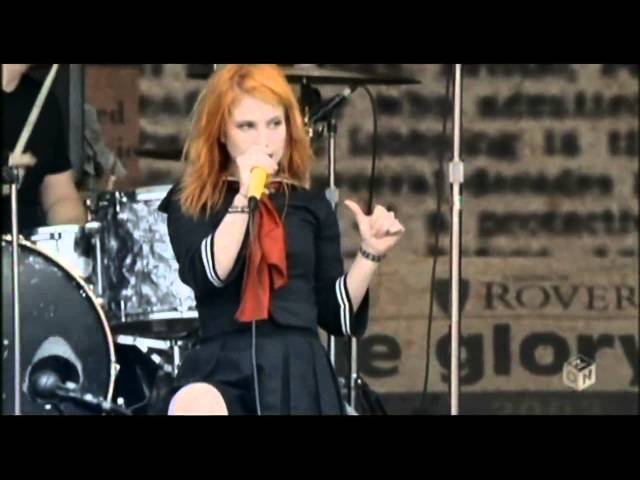
From their 2005 Debut All We Know Is Falling Williams immediately stood out in the genre. Which, for all its mild pretentious of being “for everyone”, was still dominated by unexamined machismo and entitled sexuality. She didn’t deny or hide her femininity, it was part of the mix and part of why so many look/ed up to her: Williams performing in a black sailor-fuku at Summer Sonic becoming a defining, empowering, image of the era. Here was an icon that the girls could scream for at Warped Tour, but also aspire towards, to feel seen and heard by. Her lyrics channeled familiar high-school drama and heartbreak, but from a decidedly female perspective. The gigantic success of Paramore’s 2007 Riot, with their breakout single Misery Business (a song of aggressive female-jealousy that Williams now has nuanced feelings about), the ballsy video for which I vividly remember first watching on the now-defunct Teen social media platform Bebo, rose them to peer status with the biggest bands of the genre. Fresh music told from a new perspective, which deserved to gain the ears and hearts it did.
But Williams stands as a figure who rejects Emo-nostalgia, or more specifically Emo-revisionism. People were shitty to her back then, her band weren’t taken seriously initially and she herself- being only 18 at the release of Riot- was the constant target of weird leering taunts by the community that was supposed to foster and protect her. She’s been outspoken criticising the twee marketing of the When We Were Young scene-revival festival alongside telling NME in 2023:
“People look back with these rose-tinted glasses. They talk about the good and forget the rest. It was an alternative scene for a reason – it was weird. Those kids were bullied, that’s why so many guys in those bands wrote shitty songs about ex-girlfriends. I just get angry about the injustice of a bunch of people who were bullied, essentially creating a world where other people didn’t feel welcome.”
Defiant stuff, which probably stings- but she’s right. Paramore making the scene more accessible was a struggle, but it was worthwhile. They helped blow a gigantic hole in the boys club that was alternative music, which then allowed millions of previously alienated fans of all genders to flood in, wide-eyed. Maybe they helped people feel more safe, included, maybe they inspired someone who never knew they could to pick up a microphone or guitar. They can experiment, try things out, take elements and repurpose them in different, uplifting forms. Make the music and the community yours, that’s fucking Punk Rock. Paramore’s legacy is singular and vital, they deserve the respect now they were never offered in the 00s.
 Be My Escape
Leave a comment